
Fire Smart Landscaping Thousand Oaks: Landscaping for Thousand Oaks and Ventura County Homes

The 2017 Thomas Fire burned over 280,000 acres across Ventura and Santa Barbara counties. Just one year later, the Woolsey Fire scorched more than 96,000 acres and destroyed over 1,600 structures in Ventura and Los Angeles counties. These events weren’t anomalies—they were reminders that living in Southern California means living with wildfire risk.
For homeowners in Thousand Oaks, Westlake Village, Newbury Park, Agoura Hills, Simi Valley, Camarillo, and Ventura, recurring red-flag warnings and Santa Ana wind events make fire-conscious property management essential. Hillside lots overlooking the 101 corridor, canyon-edge homes in Newbury Park, and open-space-adjacent neighborhoods throughout Ventura County all share common challenges: dry summers, chaparral edges, mature oak trees, and landscapes that must balance beauty with fire safety.
Wildfire safe landscaping is about design, not just annual brush clearance. It combines defensible space planning, fire resistant landscaping, strategic irrigation, hardscape integration, and ongoing landscape maintenance, including regular maintenance, into a cohesive system. When these elements work together, your property becomes more resilient against flying embers and direct flame contact.
Landart Builders Inc serves Thousand Oaks and Ventura County as a premium landscape contractor specializing in fire safe landscape design. We understand local conditions—from the intense heat of Santa Ana events to the specific vegetation challenges of hillside fire safe landscaping.
This article will walk you through defensible space zones (Zone 0, 1, and 2), fire resistant plants suited to Thousand Oaks, fire safe hardscape options, and when professional help makes the difference between adequate protection and comprehensive fire safety.
What Is Fire-Smart Landscaping?
Fire-smart landscaping is a holistic strategy that reduces fire risk while maintaining attractive, usable outdoor spaces. Unlike simple brush removal, fire wise landscaping California integrates multiple protective layers: defensible space planning, fire resistant native plants and materials, smart plant spacing, hardscape features, irrigation design, and routine maintenance.
The core principle is straightforward: create conditions where fire moves slower, embers have fewer ignition sources, and firefighters have safer access. Fire-resistant plants are those that do not readily ignite from flames or other ignition sources, and they can retain moisture even in dry conditions, which helps slow fire spreading. Strategic plant spacing is essential in fire-resistant landscaping to prevent fire from spreading quickly between shrubs, trees, and plant groupings.
There is no such thing as a completely fireproof plant—no landscape can be entirely fireproof, but species with high moisture retention, thick leaves, low sap and resin content, and little dead wood accumulation lower ignition risks. Fire safe landscaping applies equally to residential properties, commercial sites, and HOA-managed communities across Ventura County and Los Angeles border areas.

Myths vs. Reality:
Myth: Fire-smart landscaping means a barren gravel moonscape
Reality: It’s a curated design with lower fuel loads and higher resilience
Myth: Native plants are always fire-safe
Reality: Some natives are highly flammable; selection matters
Why Thousand Oaks Homes Need a Fire-Smart Landscape Plan
Defensible space landscaping Thousand Oaks is especially critical because of local conditions. Neighborhoods like Dos Vientos, Lynn Ranch, and Wildwood sit adjacent to chaparral, oak woodlands, and dry annual grasses that cure to golden brown by June. This native brush creates significant fuel loads within feet of many properties.
Common site conditions compound the challenge: steep slopes above the 101 corridor accelerate fire movement uphill, canyon winds in Newbury Park funnel and intensify Santa Ana events, ridgeline homes in Westlake Village face exposure from multiple directions, and mature native trees near structures create both beauty and risk.
Santa Ana winds drive embers distances of a mile or more, making brush clearance landscaping Thousand Oaks alone insufficient without a comprehensive fire safe yard design close to the home. Embers landing in accumulated leaves, dry mulch, or stressed plants can ignite structures even when the main fire front is far away.
High-value outdoor spaces—pools, patios, outdoor kitchens, and view decks—need integration into wildfire safe landscaping plans rather than treatment as separate features. Proper irrigation, water management, and landscape maintenance are key to reducing fire risk and improving habitat quality, as well-managed and maintained plants are less likely to ignite compared to neglected ones.
Insurance carriers increasingly ask about defensible space and fire prevention landscaping Ventura County. Proactive upgrades can benefit coverage terms, premiums, and peace of mind during fire season.
Understanding Defensible Space Zones
California’s defensible space framework, used by CAL FIRE and Ventura County Fire Department, divides the area around structures into three zones. Creating defensible space around your home involves establishing three key zones: Zone 0 (0-5 feet from the home) should be ember-resistant with non-combustible materials; Zone 1 (5-30 feet) acts as a buffer to reduce fire intensity; and Zone 2 (30-100 feet) helps interrupt fire’s path.
Requirements vary by slope, exposure, and jurisdiction. Thousand Oaks, unincorporated Ventura County, and the city of Ventura may have different specific requirements. It is advisable to consult local fire codes and guidelines, such as the VCFD Fuel Modification Guidelines, when planning modifications to landscaping. Always confirm current rules with CAL FIRE, Ventura County Fire, your city, and any applicable HOA.
Landart Builders designs complete wildfire defensible space landscaping plans for complex parcels, including hillside lots and canyonside properties where slope and exposure create unique challenges.
Zone 0: 0–5 Feet From the Home (Ember-Resistant Zone)
Zone 0 is the most critical area for fire prevention. Research shows that embers landing in the first 5 feet cause many home ignitions during Ventura County wildfires. Fire-smart landscaping focuses on creating defensible space by removing fuels and using non-combustible materials, particularly near structures.
Design choices in this zone should prioritize noncombustible surfaces:
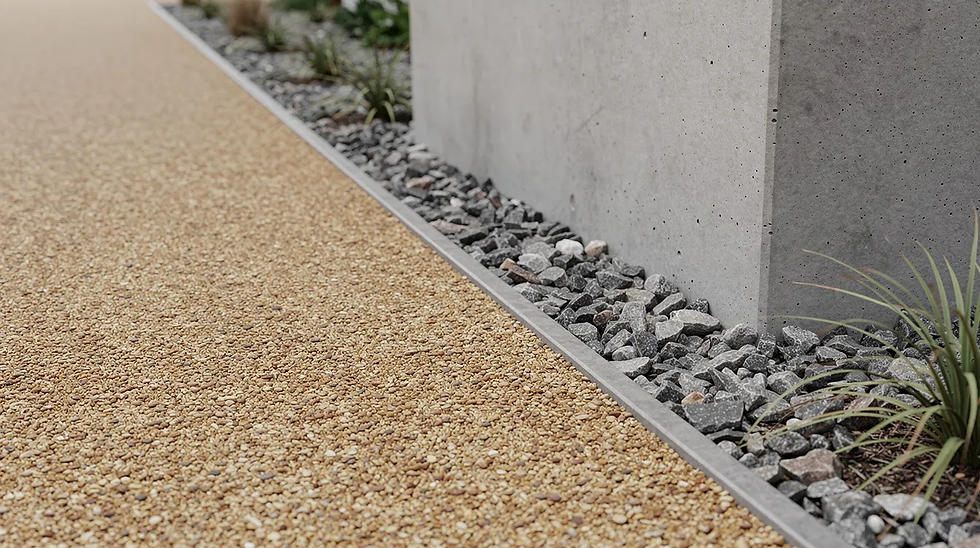
Replace wood mulch with gravel, decorative rock, or decomposed granite
Install concrete or porcelain pavers directly against walls and foundations
Use stone walkways and pea gravel bands
Choose masonry planters over wooden raised beds
Using non-combustible materials for landscaping, such as gravel, pavers, or concrete, can act as fuel breaks. For Thousand Oaks and Westlake Village homes, these materials complement Mediterranean and modern architectural styles while eliminating fuel near structures.
Any plants in Zone 0 should be minimal, low-growing, and high-moisture—small succulents in noncombustible containers are acceptable. Avoid dense shrubs, hedges, or climbing vines touching stucco, siding, or deck posts. Direct contact between vegetation and structures creates pathways for fire.
Regular Zone 0 maintenance tasks:
Remove dead leaves from corners, gutters, and under decks
Clear cobwebs and accumulated debris
Keep doormats, firewood, and patio furniture away from walls
Inspect and clear vents and chimney areas
Zone 1: 5–30 Feet From the Home (Lean, Clean, and Green)
Zone 1 serves as the transition area where fire safe yard design balances planting, ground covers or turf, and hardscape. The goal is creating conditions where fire intensity drops significantly before reaching Zone 0.
Group plants in well-defined beds with noncombustible borders—stone edging, steel edging, or pavers—separated by DG or gravel paths to break fuel continuity. Incorporating hardscapes such as stone pathways and gravel beds can create firebreaks that reduce fire risks while enhancing the design of outdoor spaces.
Fire-scaping strategies include pruning tree branches at least six feet from the ground and ensuring gaps between shrubs and tree canopies. This prevents ladder fuels—the vertical pathway that allows ground fire to climb into tree canopies and intensify.
Zone 1 plant spacing guidelines:
Avoid continuous hedge lines leading toward the house
Maintain horizontal separation of at least 3 feet between shrubs
Keep vertical clearance of 6 feet (or one-third of tree height) beneath canopies
Break up large masses of single species
Fire resistant landscaping Thousand Oaks options for Zone 1 include irrigated lawn areas (small and strategic), low-growing ground covers, and widely spaced ornamental shrubs. Drip irrigation systems deliver water directly to plant roots, reducing evaporation and ensuring efficient water use in landscaping. This keeps plants hydrated and less fuel during hot summers and Santa Ana events.
Zone 2: 30–100 Feet From the Home (Fuel Reduction Zone)
Zone 2 focuses on reducing fuel volume and height so fire stays lower and slower as it approaches your home. Typical conditions around Thousand Oaks, Simi Valley, and Camarillo include native chaparral edges, dry annual grasses, scattered oak trees and California sycamore platanus, and slopes requiring both erosion control and fire safety.
Target undesirable plants classified by VCFD include highly flammable junipers, pines, cypresses, and eucalyptus trees within 30 to 100 feet of structures. These highly flammable species should be removed or significantly reduced.
Zone 2 best practices:
Thin shrubs rather than removing all vegetation
Mow dry grasses to CAL FIRE-recommended heights
Remove invasive plants that create flashy fuel
Space native shrubs in clusters instead of solid walls
Maintain more space between tree canopies
Defensible space plants California that provide erosion control and habitat while remaining relatively low-fuel when maintained include select native bunchgrasses and deep-rooted perennials. Creating a fire-resistant garden involves strategic landscaping and plant choices tailored to local conditions, and creating a continuous defensible space across property lines is encouraged for effective fire-smart landscaping.
On steep hillsides or canyons, professional assessment from Landart Builders coordinates brush clearance landscaping Thousand Oaks with soil stability and tree protection, preventing erosion while achieving fire safety.
Fire-Smart Design Ideas for Thousand Oaks Yards
Fire safe backyard landscaping can still feature high-end outdoor living spaces, views, and gathering areas. The key is treating hardscape as intentional firebreaks rather than decorative afterthoughts.
Effective design elements include:
Stone or concrete patios extending well beyond structure footprints
Pool decks with wide noncombustible surroundings
Masonry retaining walls that double as fuel breaks
Wide DG or gravel paths interrupting planted areas
Driveways positioned to create access and fuel breaks
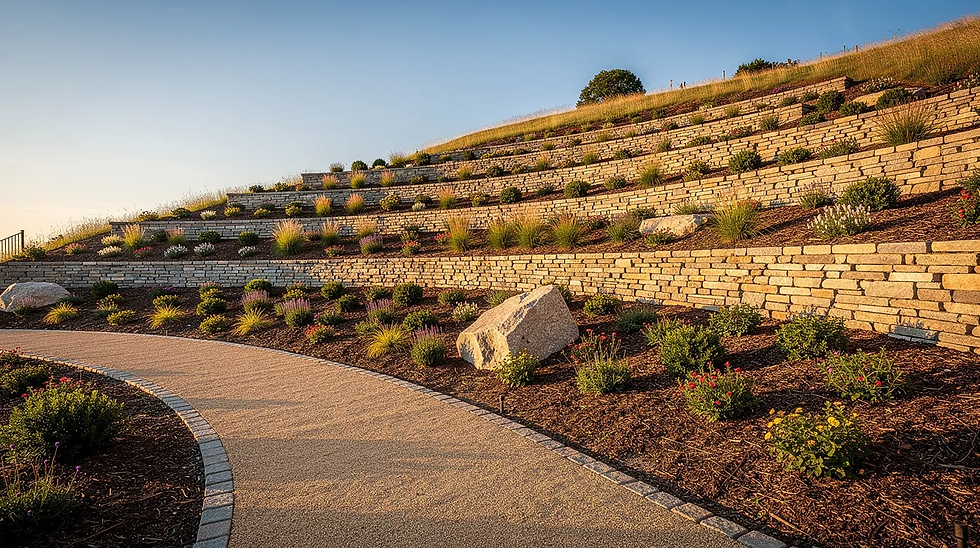
Fire-resilient landscaping involves creating outdoor spaces that slow fire spread, reduce wind-driven embers, and maintain healthy soil and plant life. Examples of fire safe landscape design Thousand Oaks projects include terraced Ventura County hillsides with stone walls and sparse plantings, Westlake Village patios with pavers and steel planters, and Agoura Hills pool decks surrounded by wide noncombustible materials.
Material choices matter:
Concrete and porcelain pavers instead of wood decks near slopes
Masonry seat walls rather than wooden benches
Metal or stone features near the home
Noncombustible planters and edging
Consider replacing older wood fencing segments that directly connect to the home with metal or masonry alternatives. Integrate lighting with noncombustible fixtures and ensure wiring runs safely away from fuel sources.
Fire-Resistant Plants and Smart Plant Placement
No plant is completely fireproof, but some fire resistant plants Thousand Oaks perform significantly better when irrigated and maintained. Many native plants in California are naturally fire-resistant and durable, making them a smart choice for fire safe landscaping as they can reduce fire risk while supporting local ecosystems.
High-moisture plants with low resin content are recommended for fire-resistant landscaping. General traits of fire resistant plants Ventura County include higher moisture content, fewer dead leaves and dead branches, non-resinous foliage, and slower growth when properly watered.
Fire-resistant native plant examples:
California Redbud (Cercis occidentalis)
Coast Live Oak (Quercus agrifolia)
California Fuchsia (Zauschneria californica)
California lilac ceanothus (certain low-growing varieties)
Sticky yellow monkey flower
Wild strawberry fragaria chilolensis as ground cover
Yarrow and other moisture-retaining perennials
Examples of fire-resistant native plants include California Redbud, Coast Live Oak, and California Fuchsia, which are known for their ability to withstand fire conditions. Suitable fire-resistant plants include deciduous trees, low-growing succulents, and less flammable shrubs, while highly flammable species should be avoided.

Placement strategy by zone:
Zone 2: Taller, denser shrubs and certain native trees
Zone 1: Lower, more compact species with wider spacing
Zone 0: Mostly hardscape with very sparse, low-growing greenery
Choosing plants carefully means avoiding highly flammable or invasive species near buildings. Remove unmanaged fountain grass, certain pampas grasses, and resinous shrubs over time, replacing them with fire resistant native plants that retain moisture and support improving habitat quality.
Common Fire-Smart Landscaping Mistakes to Avoid
Many Ventura County properties unintentionally increase fire risk through common landscaping choices that accumulate less fuel awareness over time.
Fuel accumulation mistakes:
Wood mulch or bark directly against stucco or siding
Thick leaf litter and pine needles against walls, steps, and under decks
Dense shrubs under windows and along driveways
Dead material left to accumulate in planting beds
Structural connection mistakes:
Vines climbing onto eaves and pergolas
Unpruned trees with branches hanging low over roofs
Continuous plantings creating a “green fuse” from slope to siding
Wooden structures in direct contact with vegetation
Maintenance neglect mistakes:
Ignoring dead wood and dry ornamental grasses
Allowing weeds and invasive plants to fill gaps
Not checking irrigation systems, leading to water-stressed, highly flammable plants
Skipping seasonal cleanup and pruning
To effectively design defensible space, it is crucial to maintain moisture in vegetation and limit flammable materials, which can help reduce the risk of fire spreading to structures.
Periodic professional reviews catch these issues early and keep wildfire landscaping Ventura County aligned with current guidance from CAL FIRE and local fire departments.
Maintenance: Keeping Your Fire-Smart Landscape Effective
Fire safe landscaping is only as effective as its ongoing landscape maintenance plan. Regular landscape maintenance is essential for fire prevention, which includes clearing dry leaves and debris, trimming dead branches, and keeping plants hydrated to reduce flammability.
Seasonal maintenance schedule for Thousand Oaks:
Season | Key Tasks |
Spring | Pruning winter damage, clearing debris, assessing irrigation |
Summer | Irrigation checks, monitoring plant stress, removing dead material |
Fall | Leaf and needle cleanup, cutting back grasses, gutter clearing |
Pre-Santa Ana | Brush thinning, aggressive debris removal, irrigation verification |
Routine maintenance of landscapes, including the removal of dead vegetation and overgrown plants, is critical for creating a fire-resilient space and reducing the likelihood of fire spreading. Specific actions include raising tree canopies where appropriate, removing dead wood, cutting back ornamental grasses before they cure, and controlling invasive plants that reappear after winter rains.
Efficient drip irrigation helps maintain plants without waste. Adjusting smart controllers, repairing leaks, and ensuring drip lines deliver water to roots supports drought tolerant fire safe landscaping. Using grey water or recycled water for irrigation can help conserve water resources and is a sustainable practice for landscaping. Installing a rain barrel to collect rainwater from rooftops for irrigation further supports water conservation and is an important element of sustainable landscaping. Rain gardens allow about 30% more water to soak into the ground compared to conventional lawns, helping manage storm drains and stormwater effectively.
Proper plant selection, horizontal spacing, and continuous maintenance are critical to protecting structures from wildfire and wind-driven embers. Landart Builders’ maintenance and tree services provide turnkey solutions for homeowners and HOAs seeking reliable long-term wildfire defensible space landscaping care.
Fire-Smart Landscaping Can Still Look Beautiful
A fire safe landscape design Thousand Oaks does not mean a barren yard. Premium homes throughout the vast majority of Ventura County can be lush, modern, and welcoming while still fire wise.
Design approaches that merge aesthetics and fire safety include:
Layered planting with intentional open spaces
Sculptural boulders and accent features
Curated specimen trees with clean understory
Artful integration of sustainable landscapes
High-end features work within fire-smart frameworks: outdoor kitchens positioned on expansive stone patios, pergolas placed thoughtfully away from slopes, low-voltage lighting on steel or stone posts, and sophisticated use of gravel, DG, and masonry throughout outdoor spaces.
Transformation example: A Westlake Village hillside property with overgrown chaparral, wood mulch against foundations, and dense shrubs under windows was redesigned with terraced stone walls, widely spaced California native plants, a concrete patio extending 15 feet from the home, and an efficient irrigation system. The result: a refined outdoor living space that meets defensible space requirements while enhancing property value and curb appeal.
Landart Builders specializes in custom design-build solutions integrating curb appeal, outdoor living, and fire safety for properties across the right plants and right places in Thousand Oaks, Westlake Village, Newbury Park, Agoura Hills, Simi Valley, Camarillo, and greater Ventura County and western Los Angeles communities including unincorporated areas.
Schedule a Fire-Smart Landscaping Consultation in Thousand Oaks
If you’re concerned about wildfire risk on your property, taking the next step means getting a professional assessment tailored to your specific site conditions. Every property owner in fire-prone areas benefits from understanding their unique vulnerabilities and opportunities.
Core benefits of fire-smart landscaping:
Safer home during wildfire events
Protected property investment
Enhanced outdoor living and curb appeal
Alignment with CAL FIRE and Ventura County Fire Department expectations
Potential insurance and coverage benefits
Landart Builders serves Thousand Oaks, Westlake Village, Newbury Park, Agoura Hills, Simi Valley, Camarillo, Ventura, and nearby communities throughout Ventura County and western Los Angeles. We apply best management practices and current management practices from fire authorities to create landscapes that work for your lifestyle.
Contact Landart Builders for a site visit, fire smart landscape design proposal, or renovation of an existing yard. Our team provides responsive, expert guidance through phone, website form, or email—helping you move from concern to action with a plan that protects what matters most.
Frequently Asked Questions About Fire-Smart Landscaping
What is fire-smart landscaping?
Fire-smart landscaping is a comprehensive approach combining fire resistant landscaping Ventura County principles, defensible space zones, strategic plant selection, hardscape integration, and ongoing maintenance. It reduces ignition sources around structures while maintaining attractive, functional yards that meet current fire safety standards.
What is defensible space landscaping?
Defensible space landscaping creates buffer zones around structures using defensible space plants California, fuel reduction techniques, and noncombustible materials. The three zones (0-5 feet, 5-30 feet, and 30-100 feet) each serve specific purposes in slowing fire spread and protecting buildings from direct flame contact and intense heat.
What is Zone 0 around a house and why is it so important?
Zone 0 is the 0-5 foot ember-resistant zone immediately surrounding your home. It’s critical because embers traveling on Santa Ana winds can land in this area and readily ignite accumulated debris, mulch, or vegetation against structures. Noncombustible surfaces and debris-free conditions in Zone 0 prevent fire from making direct contact with your home.
Can fire-smart landscaping still look attractive?
Absolutely. Premium design-forward yards use plant lists featuring fire-resistant species, incorporate lighting and hardscape artfully, and apply careful spacing that creates visual interest. The result is sophisticated outdoor living that happens to also minimize fuel loads and provide minimal irrigation needs once established.
What are good fire-resistant landscape materials?
Effective materials include gravel, decomposed granite, concrete, natural stone, pavers, masonry walls, metal edging, and noncombustible planters. These create fuel breaks while enhancing design. Avoid wood mulch near structures and choose other plants and materials that won’t contribute to low intensity fire spread.
How often should I maintain a fire-smart landscape?
Plan for at least seasonal checkups with more frequent work before and during fire season. Regular pruning keeps plants healthy and removes dead branches that could serve as fuel. Professional maintenance plans through Landart Builders ensure consistent care aligned with current LA County Fire and Ventura County requirements.
Do I need a professional for defensible space landscaping?
DIY work is possible for basic cleanup and maintenance in western states communities. However, professional help from Landart Builders is strongly recommended for complex hillsides, properties with large trees, multiple structures, steep slopes, or when HOA and insurance requirements apply. We help navigate fire codes while creating landscapes that prevent fire spread and protect against future climate disasters.
Important Disclaimer
This article is for general educational purposes only and does not replace site-specific advice from fire authorities or design professionals. Conditions vary significantly by property size, slope, exposure, and local regulations across Thousand Oaks, Ventura, and surrounding jurisdictions.
Always verify current codes and requirements with CAL FIRE, Ventura County Fire Department, your local city government, and any applicable HOA rules before making changes to your landscape. Regulations evolve, and what applies in one area may differ in another.
Landart Builders can help interpret guidelines in the context of your specific site. Treat this information as a starting point for a personalized fire smart landscaping Thousand Oaks or Ventura County plan.
Ready to take the next step? Contact Landart Builders today for a tailored fire safe landscaping consultation that addresses your property’s unique conditions and creates a landscape you’ll enjoy for years to come.


Comments