
Sod Installation in Southern California: Complete Guide by Landart Builders Inc
- Martin Romero
- Mar 30
- 20 min read

Updated: Apr 4
Key Takeaways
New sod requires intensive watering for 10–14 days with 3–4 short cycles daily during the first week, then gradually tapered to deeper, less frequent irrigation.
Grass type selection depends on your microclimate: Bermuda and Zoysia excel in hot inland areas like Santa Clarita, while tall fescue and St. Augustine work better in coastal zones near Ventura and Oxnard.
Soil preparation determines long-term success: Removing old turf, addressing compaction, and adding 1–1.5 inches of amended topsoil are as critical as watering.
Most sod failures happen in weeks 1–2 due to underwatering in SoCal heat or overwatering that suffocates roots—proper monitoring is essential.
Landart Builders Inc provides professional sod installation and maintenance throughout Ventura and Los Angeles counties for homes, HOAs, and commercial properties.

Introduction: Why Sod Installation and After-Care Matter in
Southern California
Sod installation transforms bare dirt into a lush lawn within hours rather than weeks. For homeowners in Ventura, West Hollywood, Santa Clarita, and coastal LA neighborhoods, this instant curb appeal makes sod the go to choice over grass seed for new construction, renovations, and lawn replacements. The ability to create an immediate green appearance for your outdoor space is why many homeowners across Los Angeles County and Ventura County choose sod over seeding. With professional sod installation, you can enjoy a beautiful, usable lawn today instead of waiting weeks for grass seed to establish.
However, that beautiful new lawn can turn brown and patchy within two weeks if after-care goes wrong. Improper watering during the first 10–14 days is the primary reason new sod fails in Southern California. The region’s long dry seasons, periodic drought restrictions, and intense inland temperatures create unique challenges that generic lawn care advice doesn’t address. Coastal properties near Malibu and Oxnard face salt spray and fog, while inland yards in Burbank and Pasadena deal with summer highs regularly exceeding 90°F.
Landart Builders Inc has installed and maintained sod for residential estates, commercial properties, and HOA common areas throughout Ventura and Los Angeles counties. This guide draws from that field experience to give you a complete roadmap—from selecting the right grass type to navigating seasonal care adjustments. Whether you’re a homeowner managing your first sod project or a property manager overseeing multiple sites, you’ll find step-by-step, practical instructions that work in our specific location and climate.
Understanding Sod: What It Is & How It Establishes
Sod is pre-grown grass with an established root system and a thin layer of soil, delivered in rolls or rectangular slabs from commercial sod farms. Unlike grass seed that requires germination time, sod arrives ready to provide immediate ground coverage. Standard residential pieces measure approximately 16” × 24”, though larger rolls are available for bigger projects where cost effective installation matters.
How Sod Establishes in Your Yard
The roots in freshly harvested sod sit primarily in a thin farm-soil layer—typically just 1–2 inches deep. Successful establishment means those roots must grow downward into your native soil over the following weeks. This process follows predictable stages:
Stage | Timeline | What’s Happening |
Hydration & Survival | Days 1–7 | Roots stay moist while grass acclimates to new soil conditions |
Root Penetration | Days 7–21 | Roots actively grow downward into native soil |
Early Growth & Thickening | Weeks 3–8 | Grass becomes drought-resistant and handles moderate traffic |
The quality of your soil preparation directly affects how successfully roots penetrate during that critical second stage. Compacted soil health issues or poor drainage can stall root growth and leave your sod vulnerable.
Sod vs Seeding: Why Sod Wins for Most SoCal Projects
Sod offers immediate erosion control on slopes in areas like Thousand Oaks and Simi Valley where runoff is a concern. It also suppresses weed growth more effectively than newly seeded lawns. The tradeoff is higher upfront landscaping cost and the need for careful watering during establishment.
For high-visibility residential front yards, commercial entries, and HOA common areas where immediate results matter, sod is almost universally preferred in Southern California. With sod installation, you get a usable lawn today, while seeding takes 4–8 weeks to achieve usable coverage and requires hands-on management to prevent erosion and weeds during that window.
Types of Sod for Southern California and When to Use Each
Southern California straddles the transition zone between cool-season and warm-season grass climates. Your specific location—whether you’re near the coast or 30 miles inland—dramatically affects which grass type will thrive. Understanding this before you install saves water, money, and frustration.
Warm-Season Grasses: Best for Heat and Sun
Warm-season sod thrives when soil temperatures exceed 65°F consistently. These grasses go dormant and brown during winter months (December–February), which some homeowners find undesirable for front yards.
Bermuda Grass
Most widely recommended for inland areas like Santa Clarita, Woodland Hills, and the San Fernando Valley
Tolerates extreme heat, full sun, and moderate drought once established
Recovers quickly from foot traffic, making it ideal for high-traffic commercial areas and family play zones
Goes dormant in winter; hybrid varieties offer improved color retention
St. Augustine Grass
Performs well in coastal areas with moderate temperatures (Ventura, Oxnard, Santa Monica)
Tolerates partial to dappled shade better than most warm-season options
Less drought-tolerant than Bermuda; requires more consistent moisture
Good choice for older LA neighborhoods with established trees creating shade
Zoysia Grass
Lower water requirements once established
Dense growth resists wear and weed invasion
Establishes more slowly than Bermuda (not ideal where quick recovery is needed)
Gaining popularity as water conservation becomes critical in California
Marathon 1 and Marathon 2 Bermuda
These are hybrid Bermuda grasses developed for Southern California’s climate
Marathon 1 offers excellent drought tolerance and wear resistance, ideal for high-traffic areas
Marathon 2 improves on color retention and cold tolerance while maintaining durability
Both varieties establish quickly and require less water compared to traditional Bermuda
Cool-Season Grasses: Year-Round Green
Cool-season grasses grow most vigorously in spring and fall when temperatures stay between 60–75°F. They may slow slightly during summer heat but maintain green color year-round.
Tall Fescue and Fescue Blends
Dominant cool-season choice throughout coastal Los Angeles, Ventura, and Santa Barbara
Maintains green appearance year-round
Moderate shade tolerance handles mixed sun conditions
More drought-tolerant than other cool-season options once established
Ideal installation window: early fall (August–September) or early spring
Quick Selection Guide by Use Case
Use Case | Recommended Sod | Why |
High-traffic commercial areas | Hybrid Bermuda (including Marathon 1 & 2) | Superior durability, fast recovery |
Residential yards with mixed sun/shade | Tall Fescue | Versatile, year-round green |
Shady coastal yards | St. Augustine | Best shade tolerance |
Water-conscious properties | Zoysia | Lower water needs |
Full-sun front yards in hot inland areas | Bermuda (Marathon varieties recommended) | Heat tolerance |
Southern California straddles the transition zone between cool-season and warm-season grass climates. Your specific location—whether you’re near the coast or 30 miles inland—dramatically affects which grass type will thrive. Understanding this before you install saves water, money, and frustration.
Warm-Season Grasses: Best for Heat and Sun
Warm-season sod thrives when soil temperatures exceed 65°F consistently. These grasses go dormant and brown during winter months (December–February), which some homeowners find undesirable for front yards.
Bermuda Grass
Most widely recommended for inland areas like Santa Clarita, Woodland Hills, and the San Fernando Valley
Tolerates extreme heat, full sun, and moderate drought once established
Recovers quickly from foot traffic, making it ideal for high-traffic commercial areas and family play zones
Goes dormant in winter; hybrid varieties offer improved color retention
St. Augustine Grass
Performs well in coastal areas with moderate temperatures (Ventura, Oxnard, Santa Monica)
Tolerates partial to dappled shade better than most warm-season options
Less drought-tolerant than Bermuda; requires more consistent moisture
Good choice for older LA neighborhoods with established trees creating shade
Zoysia Grass
Lower water requirements once established
Dense growth resists wear and weed invasion
Establishes more slowly than Bermuda (not ideal where quick recovery is needed)
Gaining popularity as water conservation becomes critical in California
Cool-Season Grasses: Year-Round Green
Cool-season grasses grow most vigorously in spring and fall when temperatures stay between 60–75°F. They may slow slightly during summer heat but maintain green color year-round.
Tall Fescue and Fescue Blends
Dominant cool-season choice throughout coastal Los Angeles, Ventura, and Santa Barbara
Maintains green appearance year-round
Moderate shade tolerance handles mixed sun conditions
More drought-tolerant than other cool-season options once established
Ideal installation window: early fall (August–September) or early spring
Quick Selection Guide by Use Case
Use Case | Recommended Sod | Why |
High-traffic commercial areas | Hybrid Bermuda | Superior durability, fast recovery |
Residential yards with mixed sun/shade | Tall Fescue | Versatile, year-round green |
Shady coastal yards | St. Augustine | Best shade tolerance |
Water-conscious properties | Zoysia | Lower water needs |
Full-sun front yards in hot inland areas | Bermuda | Heat tolerance |
Coastal vs Inland Considerations
The temperature difference between coastal and inland areas can reach 10–20°F during summer. This dramatically affects both grass selection and irrigation needs.
Coastal zones (Ventura, Oxnard, Santa Monica, Malibu): Moderate temps, salt spray, higher humidity favor tall fescue and St. Augustine
Inland valleys (San Fernando Valley, Santa Clarita, Burbank, Pasadena): Intense summer heat, lower humidity, greater temperature swings favor Bermuda and Zoysia
Choosing the Right Sod for Your Property
Selecting the correct sod type reduces water use, maintenance costs, and replacement risk over the next 5–15 years. This decision deserves careful consideration of your specific location’s conditions.
Soil Considerations
Ventura and LA County soils typically range from clay-heavy (common in the San Fernando Valley) to sandy or loamy compositions. Before sod installation:
Get a soil test: Identifies pH, nutrient levels, and texture
Plan amendments: Most local soils test low in organic matter; adding 1–1.5 inches of quality compost improves establishment
Address clay: In heavy clay areas, gypsum application improves soil structure without raising pH
Compacted soil from new construction is a common problem. Builder soils are often depleted of organic matter and need deep cultivation before sod will establish properly.
Sun Exposure Mapping
Walk your property at different times of day to assess:
Hours of direct sun (full sun = 6+ hours daily)
Reflective heat from stucco walls and hardscape
Trees causing partial or deep shade
South and west-facing exposures that receive the most intense heat
Areas near pavement or light-colored walls receive additional radiant heat and may need different grass types or 10–20% more water than shaded zones.
Usage Patterns
Consider how your lawn will be used:
Kids’ play areas: Need durable, quick-recovery grass like Bermuda
Pet areas: Require grasses that tolerate concentrated traffic
Event lawns at commercial plazas: Demand wear-tolerant varieties and reinforced soil prep
HOA common areas: Need consistent appearance and durability under heavy foot traffic
Water Requirements and Drought Tolerance
California water restrictions make this factor increasingly important:
Grass Type | Water Needs | Drought Tolerance |
Bermuda | Moderate | High |
Zoysia | Low-Moderate | High |
Tall Fescue | Moderate-High | Moderate |
St. Augustine | High | Low |
Many California municipalities offer rebate programs for smart controllers and water-efficient nozzles. Consult with Landart Builders Inc for on-site evaluation and custom sod recommendations tailored to your neighborhood and existing irrigation system.
Sod Installation Process: Step-by-Step Overview
Even premium sod can fail if installation steps are rushed. This is particularly true on slopes and compacted builder soils in newer developments throughout Orange County, San Bernardino County, and the greater LA area.
Ground Preparation
Proper ground preparation is where lawn pros separate quality work from shortcuts:
Remove existing vegetation: Use a sod cutter to remove old turf, weeds, and roots completely. Laying sod over existing grass creates poor root contact and uneven surfaces.
Clear debris: Remove rocks, buried wires, old sprinkler parts, stumps, and construction debris. Items left in the ground interfere with root growth.
Address compaction: Rototill 4–6 inches deep to break up hard layers. This is essential in new developments where heavy equipment has compressed the soil.
Rough grading: Create proper drainage away from structures. Water should flow away from foundations and not puddle on the lawn.
Soil Grading and Amendments
The final soil surface should be firm enough to walk across without sinking, but the top layer should crumble softly in hand:
Add 1–1.5 inches of amended topsoil mixed with compost
In heavy clay areas (parts of the San Fernando Valley), incorporate gypsum
Grade to slope gently away from buildings
Fill low spots that could cause puddling
Inspect sprinklers and ensure heads are flush with soil surface
Laying Sod Properly
Start along the longest straight edge—a driveway, walkway, or house wall—to establish a guide line:
Lay first row straight and tight
Stagger subsequent rows in a brick pattern to offset seams
Press pieces tightly together with no gaps
Don’t stretch or overlap sod
Cut pieces to fit around sprinkler heads, flowerbeds, and deck edges using a sharp knife
For slopes and parkways:
Run sod parallel to the slope contour to slow water runoff
Use sod staples on steeper banks to prevent slippage during watering
Ensure no trip edges along public walkways

Rolling and Initial Watering
Immediately after laying, roll the sod with a water roller:
Push out air pockets between sod and native soil
Create full contact for root establishment
Roll in a grid pattern—perpendicular passes ensure comprehensive contact
Critical: Begin watering immediately after laying one or two pallets. Don’t wait until the entire lawn is finished. Saturate the sod and top several inches of native soil right away. In Southern California sun, waiting even an hour can stress new grass.
Critical First 2 Weeks After Sod Installation
Days 1–14 are make-or-break for new sod survival in warm, sunny climates like Los Angeles and Ventura counties. The shallow root system sitting in that thin layer of farm soil can desiccate within hours under SoCal sun if watering falls behind.
Detailed 14-Day Watering Schedule
Days | Frequency | Duration | Notes |
1–3 | 3–4 times daily | 10–15 minutes per cycle | Keep surface continuously moist |
4–7 | 2 times daily | 15–20 minutes | Morning and late afternoon |
8–14 | Once daily | 20–30 minutes | Early morning preferred |
Timing matters: Water during early morning (5–7 AM) and late afternoon (4–6 PM) to minimize evaporation and reduce fungal risk from overnight moisture.
Regional adjustment: Coastal areas with temperatures of 65–75°F need less frequent watering than inland areas where temps regularly exceed 85–90°F. On extremely hot days (above 90°F), add a short midday cycle in inland locations.
How Much Water to Apply
Target the top 4–6 inches of soil to remain consistently moist but not waterlogged:
Use a screwdriver or soil probe daily during week one to check moisture at 3–6 inches depth
Soil should feel like a squeezed-out sponge—moist but not dripping
Lift a corner of sod on day 3–4 to visually inspect moisture at the sod-soil interface
If the interface is bone dry, increase frequency immediately
If it’s muddy or algae is forming, decrease watering
Signs of Proper Establishment
Your sod is establishing correctly when:
By day 7–10, sod becomes harder to lift because roots are anchoring
Color remains uniformly green across the entire lawn
Edges don’t curl or dry out
Footprints recover within seconds to a minute
No discoloration, algae, or unusual odor
Warning Signs to Watch For
Symptom | Likely Cause | Action |
Grayish or bluish-tinted grass | Underwatering | Increase frequency immediately |
Soggy, squishy feel with algae | Overwatering | Reduce run times significantly |
Seams opening or gaps appearing | Shrinkage from dryness | Increase water, check sprinkler coverage |
Localized yellow or brown patches | Sprinkler misalignment, pests, or dry spots | Individual attention needed |
Gray, water-soaked patches | Fungal disease | Reduce watering, consider fungicide |
Traffic Restrictions
Keep kids, pets, and mowers off new sod for at least 10–14 days. For commercial entrances and HOA common areas with heavy foot traffic, install temporary barriers or signage explaining the lawn is establishing. Test readiness by gently trying to lift a sod corner—if it resists firmly, roots are anchoring and the lawn can handle increased use.
Detailed Irrigation Guidelines for Southern California Lawns
Long-term lawn health in Southern California depends more on proper irrigation than any other single factor. Getting this right means understanding both the science and the practical realities of regional water rules.
Deep vs Frequent Watering
Once sod establishes (after week 3–4), shift from frequent, light watering to less frequent but deeper irrigation:
Goal: Water deeply enough to reach 6–8 inches of soil depth
Application: Typically requires 1–1.5 inches of water per cycle
Frequency: 2–3 times weekly depending on season and soil type
This approach encourages roots to grow deeper, creating more drought-resilient grass and reducing long-term water waste. Deep watering also reduces fungal disease pressure compared to daily light watering that keeps the surface wet.
Sprinkler vs Drip Systems
Sod lawns typically use overhead sprinkler systems with spray heads or high-efficiency rotary nozzles:
System Type | Best For | Pros | Cons |
Spray heads | Small lawns, defined areas | Easy adjustment | Higher evaporation |
Rotary nozzles | Larger lawns | Better uniformity, less waste | Higher initial cost |
Drip irrigation | Surrounding planting beds, slopes | Highly efficient | Not practical for turf |
Smart controllers paired with efficient nozzles can dramatically reduce consumption while maintaining a healthy lawn.
Adjusting for Weather
The difference in water needs between coastal and inland areas can reach 30–50% during summer months:
Coastal conditions (Ventura, Oxnard, Pacific Palisades):
Cooler temps (65–75°F during establishment periods)
Higher humidity reduces evaporation
Typical schedule: 2–3 times weekly in summer
Inland conditions (Santa Clarita, Northridge, Burbank):
Daily highs of 85–95°F+ common June through September
Lower humidity increases water needs
Typical schedule: 3–5 times weekly in summer
Seasonal adjustments:
Spring: Increase frequency as temps rise
Fall: Decrease frequency as temps drop
General rule: For every 10°F increase in average temperature, water needs increase approximately 20–30%
Adjusting for Soil Type
Clay soils common in the San Fernando Valley absorb water slowly and benefit from cycle-and-soak programming:
Clay soil: 15–20 minute cycles with 30–45 minute breaks between cycles
Sandy soil: Longer but less frequent deep watering (water penetrates quickly but doesn’t retain)
Loamy soil: Standard 20–30 minute cycles work well
Sun Exposure Zones
South-facing and west-facing lawns receive more direct sun and heat, requiring 20–40% more water than north-facing areas. Properties should ideally be divided into separate irrigation zones:
Full sun zones
Partial sun zones
Shade zones
High-heat/reflective zones (near pavement or stucco)
Each zone can then be programmed independently for optimal water use.
California Water Conservation Practices
The following practices align with most local water agency requirements:
Water during early morning windows (5–7 AM) to minimize evaporation
Use cycle-and-soak programming on clay soils
Install smart controllers with weather sensors
Add rain sensors to disable irrigation during and after rainfall
Consider soil moisture sensors for automatic adjustments
Comply with local watering day restrictions (odd/even days in many municipalities)
Many California water agencies offer rebates for smart controller upgrades and water-efficient nozzles, making these investments effectively cost effective.

Irrigation Audits
For commercial properties and HOAs managing large areas, annual or biannual irrigation audits should:
Assess coverage uniformity (catch-cup testing)
Detect leaks or overspray onto hardscapes
Verify sprinkler head spacing and alignment
Ensure proper water pressure
Sprinkler heads settle and become misaligned over time. Regular inspection prevents wasted water and dry spots that create bare areas.
Ongoing Sod Care & Maintenance
Once sod establishes (usually 4–8 weeks), it transitions from intensive “new sod” care to regular lawn maintenance. This shift in approach helps keep grass grow strong while reducing water and fertilizer inputs.
Landart Builders Inc offers transparent pricing for ongoing lawn maintenance services, making it easy for homeowners and property managers to budget for professional care.
Mowing Guidelines
First mowing: Don’t mow until sod is firmly rooted—typically 14 days in spring/summer, 14–21 days in cooler months. Test by tugging a sod corner; if it resists, mowing can begin.
The one-third rule: Never remove more than one-third of the grass blade height in a single mowing. This prevents stress and maintains root vigor.
Recommended heights by grass type:
Grass Type | Normal Height | Heat Stress Height |
Tall Fescue | 2.5–3.5 inches | Up to 4 inches |
Bermuda | 1.5–2.5 inches | 2.5 inches |
St. Augustine | 2.5–3.5 inches | 3.5 inches |
Zoysia | 1.5–2.5 inches | 2.5 inches |
Keep mower blades sharp. Dull blades tear rather than cut, causing brown-tipped damage.
Fertilization Schedule
Established sod typically requires 3–4 light fertilizer applications annually:
Spring (March–April): Support new growth
Early summer (May–June): Maintain vigor
Early fall (August–September): Strengthen roots
Late fall (October–November): Optional, improves winter hardiness
Use slow-release, balanced fertilizers (such as 15-15-15). Slow-release nutrients feed gradually over 6–8 weeks, reducing burn risk. Southern California soils often test low in nitrogen and iron—supplements may be needed to maintain color and add nutrients the soil lacks.
Aeration
Core aeration relieves compaction, improves drainage, and stimulates root growth:
Frequency: Once per year in compacted or high-traffic lawns
Timing: Fall for cool-season grasses; late spring/early summer for warm-season
Benefits: Better water and nutrient penetration, stronger grass growth
In residential lawns with light traffic and well-prepared soil, aeration every 2 years may suffice.
Dethatching
Thatch is the layer of dead organic matter between live grass and soil:
Moderate thatch (up to 0.5 inches) is beneficial
Excessive thatch (over 1 inch) blocks water and nutrients
Warm-season grasses like Bermuda and Zoysia are more prone to buildup
Time aggressive dethatching during active growth periods
Weed Prevention
Apply pre-emergent herbicides in late February–early March (before soil reaches 55–60°F)
Maintain proper mowing and fertilizing—dense turf crowds out weeds naturally
Hand-remove isolated weeds rather than broad herbicide applications on young sod
Once sod is established (6+ weeks), selective herbicides can target broadleaf weeds
Landart Builders Inc offers bundled mowing, fertilizing, and seasonal lawn care services for homeowners, HOAs, and businesses who want professional lawn maintenance without the hassle.
Seasonal Lawn Care Guide for Southern California
While Southern California lawns stay vibrant and usable year-round, each season requires adjustments to watering, mowing, and fertilization to keep your new lawn healthy through changing conditions.
Spring (March–May)
Spring brings peak growth for cool-season grasses:
Irrigation: Increase as temperatures warm and evaporation increases
Fertilization: Apply first feeding of the year
Weed control: Pre-emergent herbicides before summer weed germination
Repairs: Overseed thin spots or bare areas to allow establishment before summer heat
Mowing: Increase frequency as grass growth accelerates
Summer (June–August)
Summer is the most challenging season, particularly inland:
Heat stress: Primary concern—maintain recommended mowing heights or increase slightly
Irrigation: Increase significantly; inland areas may need 3–5 waterings weekly
Warm-season grasses: Peak growth requires more frequent mowing
Cool-season grasses: May slow or show slight discoloration during intense heat (this is normal)
Monitoring: Watch for fungal diseases and insect pests (grubs, billbugs) that thrive in warm, humid conditions
Fall (September–November)
Fall is ideal for cool-season grass establishment and renovation:
Aeration and overseeding: Late August–September timing is optimal
Irrigation: Decrease gradually as temperatures cool
Warm-season grasses: Slow growth, prepare for dormancy
Fertilization: Late-season application strengthens roots for winter
Winter (December–February)
Winter brings dormancy for warm-season grasses:
Warm-season lawns: Bermuda, St. Augustine, and Zoysia go brown—this is normal biology, not disease
Watering: Drop frequency significantly; 2–3 times weekly or less
Cool-season lawns: Remain green, grow slowly; maintain some irrigation during dry periods
Mowing: Decrease dramatically; many properties don’t mow at all
Maintenance: Ideal time for soil amendments, raking, and landscape repairs
Overseeding Considerations
Overseeding warm-season lawns with cool-season ryegrass provides winter color but comes with tradeoffs:
Pros:
Maintain green lawn through winter
Good for commercial properties requiring year-round appearance
Useful for winter events or high-visibility locations
Cons:
Doubles water needs for 4–5 months
Requires additional fertilizing
Increases maintenance complexity
May weaken underlying warm-season turf
If pursuing overseeding, use quality ryegrass seed, time for late September–early October, and commit to consistent watering until establishment.
Common Sod Problems in Southern California and How to Fix Them
Even well-installed sod encounters issues due to weather, irrigation, traffic, or pests. Most problems are fixable when caught early before they spread across your new grass.
Overwatering
Symptoms:
Yellowing or light green coloration
Squishy, soggy feel when walking
Algae or moss forming on surface
Musty soil odor indicating oxygen-depleted conditions
Fungal growth (gray, water-soaked patches)
Solutions:
Reduce run times immediately
Space irrigation cycles further apart
Aerate to improve drainage
Check for malfunctioning irrigation (stuck valves, programming errors)
Address grading issues that cause water to collect
Underwatering
Symptoms:
Dull gray or blue-gray color (not vibrant green)
Footprints remain visible for extended periods
Edges curl and become crispy
Seams between sod pieces open as sod shrinks
Solutions:
Increase watering frequency or duration immediately
Check sprinkler coverage for missed areas
In hot inland areas, consider adding midday watering cycle
Verify water pressure is adequate for full coverage
Brown Spots and Patchy Growth
Brown patches have multiple potential causes—diagnosis matters:
Cause | Identifying Features | Solution |
Pet urine | Concentrated spots with dead centers, green rings | Flush area with water, train pets elsewhere |
Localized dry spots | Correspond to sprinkler gaps | Adjust heads, add heads if needed |
Fungal disease | Irregular patches, water-soaked appearance | Reduce watering, apply fungicide |
Insect damage | Irregular patterns, sod lifts easily | Check for grubs, treat accordingly |
Don’t assume “more water” fixes everything—this can worsen fungal issues.
Pests and Fungal Issues
Fungal diseases are triggered by warm (70–85°F), wet conditions:
Common problems: anthracnose, dollar spot
Treatment: Reduce irrigation, improve air circulation through aeration, apply fungicide
Prevention: Avoid overwatering, ensure good drainage
Grubs and billbugs damage grass by feeding on roots:
Symptoms: Dead patches that don’t respond to watering, sod lifts easily
Diagnosis: Dig 4–6 inches into soil, check for white C-shaped grubs or black billbug larvae
Treatment: Selective insecticides or beneficial nematodes
Proper cultural practices—good drainage, aeration, appropriate mowing—prevent most pest problems by maintaining vigorous turf.
Poor Drainage and Puddling
Standing water after irrigation indicates grading problems or soil issues:
Low spots: Fill and regrade to slope away from structures
Heavy clay: Amend with compost or sand to improve infiltration
Severe cases: French drains may be necessary
Prevention: Address during initial soil prep before sod installation
Contact Landart Builders Inc when problems persist beyond simple watering or mowing adjustments, particularly in large commercial or HOA landscapes where diagnosis requires professional expertise.
Commercial vs Residential Sod Installation & Maintenance
While basic sod biology is identical for homes and businesses, design and maintenance priorities differ significantly. Understanding these differences helps set appropriate expectations and budgets.
Residential Needs
Los Angeles homeowners and Ventura County families typically prioritize:
Curb appeal: Attractive front yard appearance
Family-friendly surfaces: Safe play areas for children
Pet considerations: Durable grass that handles dog traffic and recovers from waste
Budget balance: Beauty without excessive water and maintenance costs
Many homeowners prefer cool-season grasses for year-round green appearance, accepting higher water needs. Landart Builders has worked with satisfied customers throughout local neighborhoods who want their yard to enhance their house and create a welcoming backyard for family gatherings.
Commercial and HOA Priorities
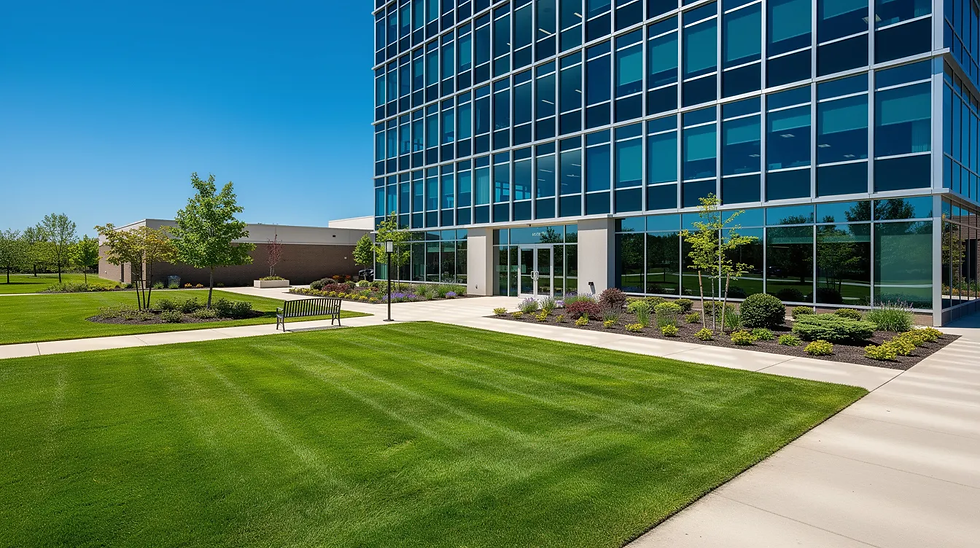
Commercial properties and HOAs throughout Los Angeles County and Ventura County focus on:
Durability: Withstanding heavy foot traffic at entries, pathways, and common areas
Consistent appearance: Uniform look across large areas with no patchy growth
Regulatory compliance: Meeting city requirements and CC&R standards
Predictable costs: Scheduled maintenance with manageable budgets
Liability reduction: Safe surfaces without trip hazards or pest problems
Durability and Traffic Tolerance
High-traffic commercial areas need extra attention:
Sod selection: Hybrid Bermuda for full-sun entries; durable fescue blends for mixed conditions
Soil preparation: Deeper amendments (2+ inches quality topsoil) for sufficient root zone
Reinforcement: Professional installation with careful grading and rolling
Repair protocols: Quick response to damaged areas before problems spread
Long-Term Care Strategies
Commercial maintenance contracts typically include:
Weekly or bi-weekly mowing at optimal heights
Quarterly or semi-annual fertilization with balanced formulations
Annual aeration in high-traffic zones
Irrigation audits and seasonal adjustments
Proactive pest and disease monitoring
Landart Builders Inc provides design-build services, installation, and ongoing maintenance contracts for commercial clients seeking exceptional results with consistent, professional care.
Pro Tips for Long-Term Lawn Success
These field-tested recommendations come from Landart Builders Inc crews who maintain lawns year-round in local neighborhoods. Implementing even a few of these practices creates lasting beauty and saves money over time.
Keeping Sod Healthy Year-Round
Mow often enough to never remove more than one-third of blade height
Adjust irrigation seasonally—what works in July won’t work in January
Keep mower blades sharp—dull blades tear grass and cause browning
Walk your lawn monthly to catch problems early
Lift a sod corner seasonally to inspect root depth
Take photos to track changes over time
Cost-Saving Maintenance Ideas
Install smart controllers and high-efficiency nozzles—many utilities offer rebates
Group lawn areas by sun exposure on separate irrigation zones
Prioritize sod in key visual or activity areas; use eco friendly drought-tolerant plants elsewhere
Address drainage issues early before they become expensive repairs
Consider Zoysia or Bermuda in appropriate areas for lower water needs
Save money by preventing problems rather than fixing them after the fact.
When to Call a Professional
Contact a landscaping company for help when you encounter:
Persistent brown patches that don’t respond to watering adjustments
Recurring fungal disease despite treatment attempts
Drainage failures causing standing water
Major irrigation system issues affecting coverage
Plans to convert high-water lawns to more environmentally friendly sustainable layouts
Schedule Your Consultation
Landart Builders Inc serves homeowners, HOAs, and commercial properties throughout Ventura and Los Angeles counties. Whether you need sod installation for a new construction project, lawn rehabilitation for an existing property, or ongoing maintenance services, our team can provide multiple quotes and options tailored to your garden, budget, and goals.
Contact us to request a consultation or site visit—we’ll help you create the healthy lawn your property deserves.
Frequently Asked Questions About Sod Installation and Care
How long before I can walk or play on new sod?
In most Southern California conditions, light foot traffic is acceptable after about 2 weeks once roots begin to grab the native soil. Full play with kids, pets, and sports should ideally wait 3–4 weeks to ensure strong anchoring.
For commercial or HOA lawns with heavy public traffic, temporary barriers or signage help protect the investment during establishment. Test readiness by gently trying to lift a corner—if the sod resists firmly and doesn’t pull up, roots are establishing and the lawn can handle more use.
Can I install sod in the middle of summer in Los Angeles or Ventura?
Summer sod installation is possible but carries higher risk, especially inland where temperatures frequently exceed 90°F. It demands very careful watering—potentially 3–4 short cycles daily during the first week—and possibly temporary shade for hot exposures.
Ideal installation windows are late spring (April–May) and early fall (September–October) when soil is warm but air temperatures are milder. If summer installation is necessary, be prepared for intensive monitoring and potentially higher water use during establishment. UC research emphasizes avoiding extreme heat or cold at installation time for best results.
Do I need to remove my old lawn before installing new sod?
For best results, old grass and weeds should be fully removed or killed, then the area should be tilled and graded before laying new sod. This step is critical and shouldn’t be skipped.
Problems with laying sod over existing turf include:
Poor root contact between new sod and native soil
Uneven surfaces that create drainage issues
Increased chance of disease and thatch buildup
Reduced sod lifespan
Landart Builders Inc typically includes removal, dig out of old material, soil prep with proper shrubs and plants protection, and grading as part of professional sod installation packages.
How do I know if my irrigation system is set correctly for new sod?
Check uniformity by placing several shallow containers around the lawn during a test run. Measure water depth in each after the cycle—they should be roughly equal. Significant variation indicates coverage problems that need adjustment.
Use the screwdriver or soil probe method daily during the first week to confirm moisture 3–6 inches deep under the sod. The soil should feel moist like a squeezed sponge, not dry or muddy.
For new sod installations, have a professional perform a start-up and programming service to ensure the system is properly calibrated for establishment needs. This careful attention during week one prevents costly failures.
Is sod a good choice if my city has strict water restrictions?
With the right grass type and efficient irrigation, a sod lawn can fit within many Southern California water budgets. Kentucky bluegrass is rarely recommended here due to high water needs, but hybrid Bermuda and Zoysia grow quicker to establishment and thrive with less water once roots are deep.
Consider combining smaller, strategically placed lawn areas with drought-tolerant planting beds and mulch to keep overall water use manageable. This approach gives you usable turf where you need it while maintaining an attractive landscape within restriction limits.
Consult with Landart Builders Inc about designing water-wise lawn layouts and irrigation systems that comply with your city’s current rules while still providing the lush green outdoor space you want. Our happy customers throughout the region have found that thoughtful planning creates both beautiful results and reasonable water bills.
Need help with your landscape project? Contact us now! https://www.landartbuilders.org/contact


Comments