
Transform Your Lawn with Artificial Turf: Unveiling Its Benefits

A lush, green lawn is a dream for many homeowners, but maintaining natural grass can be a challenge. Watering, mowing, fertilizing, and dealing with pests often consume time and resources. Artificial turf offers a practical alternative that transforms your outdoor space with less effort and more consistency. This post explores the key benefits of choosing artificial turf for your lawn solutions and how it can enhance your home environment.

Long-Term Cost Savings
One of the most compelling reasons to switch to artificial turf is the potential for significant cost savings over time. While the initial installation cost may seem higher than planting natural grass, artificial turf reduces or eliminates many ongoing expenses:
Water bills drop dramatically since artificial turf does not require irrigation.
Lawn care products such as fertilizers, herbicides, and pesticides become unnecessary.
Maintenance costs like mowing, aerating, and reseeding are no longer needed.
Equipment expenses for lawnmowers and trimmers decrease or disappear.
For example, a typical lawn can use up to 55 gallons of water per square foot annually. By replacing this with artificial turf, homeowners can save hundreds of dollars each year on water bills alone. Over a decade, these savings often offset the upfront installation cost.
Durability and Year-Round Appeal
Artificial turf maintains its vibrant green color and neat appearance regardless of weather conditions. Unlike natural grass, it does not brown during droughts or become patchy after heavy use. This durability makes it ideal for:
High-traffic areas such as play zones, pet runs, and sports fields.
Regions with water restrictions or extreme climates.
Homes where consistent lawn appearance is a priority.
Modern artificial turf products are designed with UV protection and drainage systems that prevent fading and water pooling. This means your lawn stays attractive and functional throughout the year without the seasonal ups and downs of natural grass.
Environmental Benefits
Choosing artificial turf can contribute positively to environmental conservation efforts. Here are some ways it supports sustainability:
Water conservation is a major advantage, especially in drought-prone areas.
Reduced chemical use means fewer pollutants entering the soil and waterways.
Lower carbon footprint since lawn maintenance equipment often runs on fossil fuels.
Waste reduction as artificial turf lasts 15 to 20 years before replacement.
While artificial turf is made from synthetic materials, many manufacturers now offer recyclable options and eco-friendly production methods. This helps minimize environmental impact while providing a green lawn alternative.

Low Maintenance and Convenience
Artificial turf requires minimal upkeep compared to natural grass. This convenience appeals to busy homeowners and those who prefer a low-effort lawn solution. Key maintenance tasks include:
Occasional rinsing to remove dust and debris.
Brushing to keep fibers upright and maintain appearance.
Removing leaves or pet waste promptly to avoid odors.
There is no need for mowing, watering, fertilizing, or pest control treatments. This frees up time and reduces the hassle of regular lawn care. For families with children or pets, artificial turf provides a clean, mud-free play area year-round.
Enhanced Usability and Versatility
Artificial turf allows you to use your outdoor space more flexibly. It can be installed in places where natural grass struggles to grow, such as:
Shady areas under trees or near buildings.
Sloped or uneven terrain.
Indoor or rooftop gardens.
Because it drains well and resists wear, artificial turf supports a variety of activities without damage. Homeowners can host gatherings, play sports, or relax outdoors without worrying about muddy patches or bare spots.

Aesthetic Appeal and Customization
Artificial turf comes in various styles and shades, allowing you to customize your lawn’s look. You can choose from different blade lengths, colors, and textures to match your design preferences. This flexibility helps create a polished, professional appearance that complements your home’s exterior.
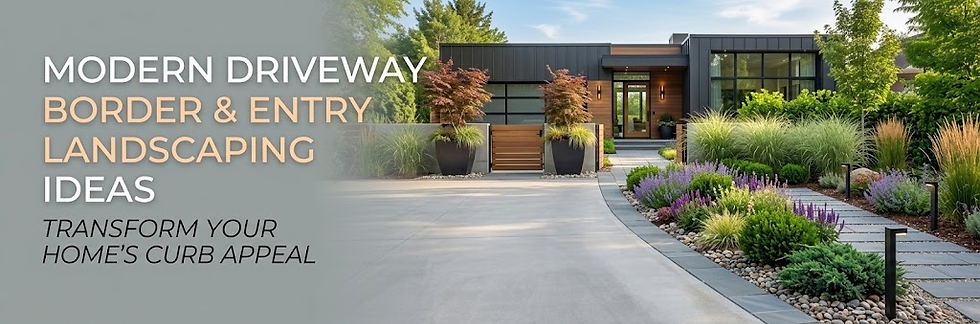
Some homeowners combine artificial turf with natural landscaping elements like flower beds, stone pathways, or water features. This blend enhances curb appeal and creates a balanced outdoor environment.
Considerations Before Installation
While artificial turf offers many benefits, it is important to consider a few factors before installation:
Initial cost can be higher than natural grass, but long-term savings often compensate.
Surface temperature may rise in direct sunlight, so shading or cooling solutions might be needed.
Proper installation is crucial to ensure drainage and longevity.
Local regulations or homeowners’ association rules may affect turf use.
Consulting with a professional installer can help address these points and ensure your artificial turf meets your needs.


Comments