
Essential Tips for Successful Hardscape Construction Projects

Hardscape construction can transform outdoor spaces into functional, beautiful areas that last for years. Whether you are building a patio, walkway, retaining wall, or driveway, getting the project right requires careful planning and execution. Mistakes can lead to costly repairs or an unsatisfactory result. This guide offers practical tips to help you complete your hardscape construction project successfully, ensuring durability, aesthetics, and value.

Plan Your Project Thoroughly
A clear plan is the foundation of any successful hardscape project. Start by defining the purpose of the space. Will it be for entertaining, gardening, or simply improving curb appeal? Knowing the function helps determine the materials, size, and layout.
Measure the area accurately to avoid surprises during construction.
Consider drainage to prevent water pooling or erosion.
Check local regulations for permits or restrictions on structures like retaining walls or driveways.
Sketch your design on paper or use digital tools to visualize the final look.
Planning also includes budgeting. Hardscape materials and labor can vary widely in cost. Allocate funds for unexpected expenses, such as soil preparation or additional drainage solutions.
Choose the Right Materials
Selecting materials that suit your climate, soil type, and design preferences is crucial. Common hardscape materials include:
Concrete: Durable and versatile, ideal for driveways and patios.
Natural stone: Offers a timeless look but can be expensive.
Brick: Classic and easy to install, suitable for walkways.
Pavers: Available in various shapes and colors, allowing creative patterns.
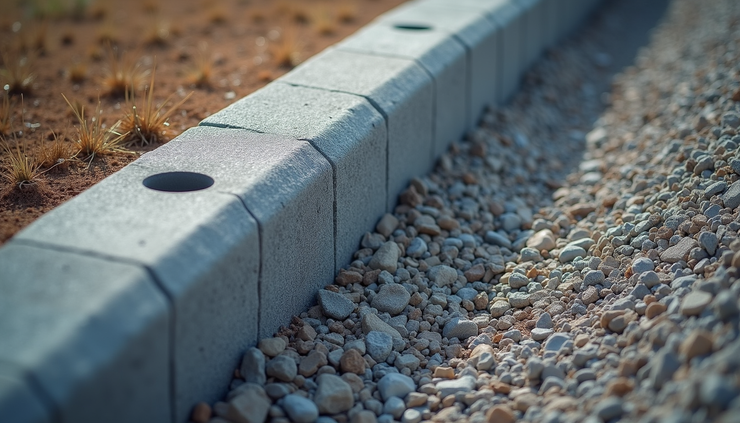
Gravel: Affordable and good for drainage but requires edging to keep it contained.
Consider the maintenance needs of each material. For example, natural stone may require sealing, while concrete can crack in freeze-thaw cycles if not properly installed.
Prepare the Site Properly
Site preparation is often overlooked but is one of the most important steps. The ground must be stable and level to support the hardscape structure.
Clear vegetation and debris from the area.
Excavate to the correct depth, usually 6 to 12 inches depending on the project.
Install a base layer of crushed stone or gravel to improve drainage and stability.
Compact the base using a plate compactor to prevent settling.
Proper site preparation reduces the risk of shifting or cracking over time.
Use Quality Tools and Equipment
Having the right tools makes the job easier and improves the quality of work. Essential tools for hardscape construction include:
Shovels and rakes for excavation and leveling.
Plate compactor for base compaction.
Masonry saw or splitter for cutting stones or pavers.
Level and string lines to ensure straight edges and even surfaces.
Rubber mallet to set pavers without damage.
Renting specialized equipment can save money if you do not own these tools.
Follow Correct Installation Techniques
Each hardscape element requires specific installation steps. For example, laying pavers involves:
Spreading a layer of sand over the compacted base.
Placing pavers tightly together in the desired pattern.
Using a rubber mallet to tap pavers into place.
Filling joints with polymeric sand to lock pavers and prevent weed growth.
For retaining walls, proper drainage behind the wall is essential to avoid pressure buildup and failure. Use perforated pipes and gravel backfill to manage water flow.
Pay Attention to Drainage
Water management is critical in hardscape construction. Poor drainage can cause erosion, pooling, and damage to structures.
Design slopes to direct water away from buildings.
Use permeable materials where possible to allow water infiltration.
Install drainage pipes or channels in areas prone to water accumulation.
Avoid blocking natural water flow paths.
Proper drainage extends the life of your hardscape and protects surrounding landscaping.
Maintain Your Hardscape Regularly
Maintenance keeps your hardscape looking good and functioning well. Tasks vary by material but generally include:
Cleaning surfaces to remove dirt, moss, or stains.
Reapplying sealants on stone or concrete every few years.
Checking for and repairing cracks or loose pavers.
Clearing debris from drainage areas.
Regular maintenance prevents small issues from becoming costly repairs.
Work with Experienced Professionals When Needed
Some hardscape projects require skills and equipment beyond DIY capabilities. Hiring experienced contractors can save time and ensure quality.
Look for contractors with good reviews and portfolios.
Ask for references and verify licenses.
Get detailed quotes and timelines before starting.
Communicate clearly about your expectations.
Professional help is especially valuable for complex projects like large retaining walls or intricate stonework.



Comments