
Top Landscape Design Trends 2026 California in Ventura & Los Angeles Counties

Introduction: What’s Trending in California Landscapes for 2026
California landscape design in 2026 focuses on intentional, sustainable, and high-functioning outdoor rooms that merge with home architecture. Ongoing drought conditions, escalating wildfire risk, updated building codes, and a cultural shift toward extended outdoor living are reshaping how southern california homeowners approach their yards. In Ventura and Los Angeles counties specifically, water restrictions have tightened, insurance premiums in fire-prone areas have climbed, and more residents are working from home—making backyards more valuable than ever.
Sustainability is essential in landscape design, with a focus on drought-tolerant, native, and pollinator-friendly plants to reduce maintenance and water consumption.
In this article, expect to discover the top landscape design trends for 2026, followed by a deeper dive into materials, plants, and design elements you can apply to your next project. Insights come from Landart Builders’ recent residential and commercial projects across Ventura County, Los Angeles, Thousand Oaks, Camarillo, and surrounding cities. You’ll find concrete examples—specific native plants, hardscape materials, outdoor kitchens, swales, and fire-resistant designs—ready for your 2026 planning.
Quick Overview: The Top 7 California Landscape Design Trends for 2026
Use this as your checklist when planning your front yard or backyard project:
Drought-smart planting with California natives — Water bills have risen 15-20% annually in LA County; switching to low water plants cuts consumption by 60-80%
Fire-resistant and ember-safe landscaping — Updated WUI codes require defensible space up to 100 feet; compliant designs can reduce insurance premiums by 25-40%
Multipurpose outdoor living rooms and kitchens — Hybrid work lifestyles mean backyards now serve as offices, gyms, and entertainment zones
Climate-adaptive hardscapes — Permeable, cool surfaces meet 2026 stormwater ordinances while combating urban heat islands reaching 120°F
Low-voltage and solar landscape lighting — LED fixtures with 50,000-hour lifespans and smart controls have become standard
Tech-enabled irrigation and maintenance — Technology is becoming more powerful but less visible, designed to support nature’s rhythm
Wellness-focused garden spaces — Wellness-focused designs emphasize relaxation, creating tranquil spaces for mental wellness
Sustainability has shifted from “drought-tolerant” to “regenerative,” focusing on restoring local ecology rather than simply surviving.

Drought-Smart & Native Planting: Water-Wise Design for 2026
Water restrictions continue through 2026 across southern california, with rates climbing and traditional landscaping becoming financially impractical. The days of thirsty turf are ending—replaced by regenerative palettes that enhance soil health and support local wildlife.
The Shift to Native and Mediterranean Palettes
Switching to drought tolerant native plants can reduce water use by at least 60% compared to traditional landscaping. Key species thriving in our region include:
Plant | Benefits |
California Poppy | Vibrant seasonal color, self-seeding |
Woolly Bluecurls | Pollinator magnet, low water |
Showy Penstemon | Hummingbird attraction, minimal care |
Manzanita | Sculptural bark, year-round interest |
Ceanothus | Evergreen structure, nitrogen-fixing |
Yarrow | Weed-suppressing groundcover |
Native plants are naturally adapted to California’s climate and support local ecosystems, providing benefits such as attracting pollinators and reducing maintenance needs over time. Incorporating native groundcovers and thoughtful design elements helps suppress weeds, which further reduces maintenance and improves soil health. Designers are prioritizing ‘keystone plants’—superstar natives that support 90% of local biodiversity.
Hydrozoning and Efficient Irrigation Systems
Landart Builders designs “hydrozones” grouping plants by water needs—low, medium, and high zones. Drought-tolerant landscaping uses plants, design elements, and irrigation techniques that reduce the need for supplemental water, such as grouping plants by water needs and installing efficient irrigation systems like drip lines. Precision irrigation systems use AI weather data and soil moisture sensors to minimize water waste, achieving 40-70% reductions versus 2020-era lawns through drip irrigation and smart controllers.
Front Yard Concepts and Lawn Alternatives
Replacing traditional lawns with native plant islands can reduce water needs by 60-80%, as native plants are adapted to local climates and can survive on rainfall alone once established. Popular 2026 front yard approaches include:
No-mow meadows using deergrass (Muhlenbergia rigens)
Groundcovers like Dymondia, Kurapia, or creeping thyme—these low maintenance plants are easy to care for, drought-tolerant, and cost-effective alternatives to traditional turf grass, especially suitable for dry climates
Mixed shrub borders suited to coastal Ventura versus hotter inland valleys
Artificial turf limited to high-use play or pet zones
A succulent garden is another excellent drought-tolerant, low-maintenance, and visually appealing option, particularly for small or urban spaces, and can be integrated into broader drought-resistant or pollinator-friendly garden designs.
Using mulch and groundcover in landscaping helps retain soil moisture, which is essential for sustainable gardening practices in arid climates like California. Rain gardens capture and absorb stormwater runoff, allowing 30% more rainwater to infiltrate the ground instead of becoming runoff—helping recharge groundwater and support drought tolerant plants during the rainy season.
‘Foodscaping’ is evolving with low-water crops like sweet potatoes, chickpeas, and drought-hardy fruit trees such as figs and persimmons. Incorporating food plants, including edible plants and herbs, into ornamental gardens allows homeowners to blend beauty with functionality, adding citrus trees and fruiting plants that thrive in our climate.
In regions like San Diego, climate-specific plant choices and drought-tolerant gardens are especially important for sustainable landscaping and water conservation.
Fire-Resistant & Ember-Safe Landscaping Near Homes
Tightened wildfire regulations in 2026 affect Ventura and Los Angeles hillside, canyon, and wildland-urban interface neighborhoods. LA County’s updated ordinances mandate 50-foot lean, clean, and green zones, with ember-resistant areas within 0-5 feet of structures.
Ember-Resistant Zones
The space immediately against your foundation requires non-combustible materials:
Concrete, porcelain pavers, or stone slabs
Gravel or decomposed granite (4-6 inches deep)
Removal of wood mulch—linked to 70% of structure ignitions
Hardscaping features, like rock gardens and gravel paths, not only resist drought but also provide low maintenance decorative options that can last for decades while serving as critical fire breaks.
Fire-Resistant Plant Choices
There is extensive use of succulents, cacti, and California native species for drought-tolerant landscaping that doubles as fire-resistant design:
Rockrose (Cistus) with minimal deadwood accumulation
Lavender and Salvias for hummingbird attraction
Aloe arborescens and Agave attenuata for textural drama
Crape myrtle or strawberry tree pruned to 6-10 foot limb-up heights
Layout guidelines include 18-24 inch plant spacing, stone or DG bands breaking continuous fuel beds, and clear access routes for firefighters. In recent Landart Builders projects in Thousand Oaks, dry creek beds of river rock double as firebreaks while conveying 20% of stormwater, with stone retaining walls providing erosion control and firefighter access. Such designs have reduced insurance premiums by up to 30%.
Outdoor Living Rooms, Kitchens & Entertainment Zones
Outdoor spaces are increasingly treated as architectural extensions of the home rather than add-ons. Yards are being partitioned into distinct ‘rooms’ for specific purposes—outdoor home offices, fitness corners, and kitchens connected by permeable paths. Shade structures such as pergolas or custom-designed covers are being incorporated to provide comfort, style, and support for outdoor living features, making these areas usable year-round.
Creating Functional Zones
The design prioritizes zones for specific purposes, such as dining, lounging, and cooking, often under covered structures for year-round usability. Landart Builders lays out mid-to-high-end yards with:
Dining area with outdoor kitchens featuring built-in grills and high end appliances
Lounge area with fire features as focal points
Small natural grass or play zone
Quiet wellness corner or spa area
Outdoor kitchens are becoming increasingly popular, featuring built-in grills, refrigerators, and storage, designed to function like indoor kitchens and enhance outdoor entertaining. Masonry islands using split-face block or stucco accommodate 36-inch gas grills with 50,000 BTU output, side burners, beverage fridges, and quartz counters.
Seamless transitions in design are achieved by carrying flooring materials like terrazzo or natural stone from the interior to the exterior. Porcelain plank pavers mimicking wood and large-format concrete pavers with gravel joints create visual interest while maximizing durability.

Fire Features as Focal Points
Fire features, such as modern fire bowls and built-in benches, are central gathering points in outdoor living spaces, providing warmth and ambiance for social gatherings. Linear gas fire pits (8-12 feet long) in concrete surrounds remain core 2026 design elements.
Typical Landart Builders installations include built-in seating walls around fire features, low-voltage accent lighting in capstones, and gas lines run to avoid exposed hoses—like poolside fire bowls in Westlake Village or courtyard fire strips in LA hillside properties.
Safety notes for high-fire-risk areas: use gas instead of wood, maintain 18-inch non-combustible radii per NFPA 1144 codes, and verify city or HOA regulations.
Wellness Zones: Spas, Saunas & Quiet Corners
Backyard wellness zones, including yoga decks and meditation gardens, are trending as homeowners seek spaces for relaxation and restoration. The focus is on creating zen, tranquil, and comfortable outdoor sanctuary spaces.
Small platforms of composite decking or smooth concrete integrate with planting for yoga and meditation zones, often framed by bamboo, ornamental grasses, or clipped hedges for privacy. Vertical gardens and green walls are used in smaller urban spaces to provide lush greenery without taking up floor space.
Above-ground spas, custom in-ground spas, swimming pools, and compact barrel saunas fit within tight urban backyards in Los Angeles. Material and plant choices that enhance calm include warm-toned stone, reclaimed wood, soft lighting, and fragrant plants like rosemary, jasmine, and lavender.
Water features, like ponds and fountains, add tranquility to outdoor living spaces and can be designed to be water-efficient through recirculating systems.
Hardscape & Masonry: Permeable, Cool, and Low-Maintenance Surfaces
In 2026, California cities increasingly favor permeable and low-heat hardscape solutions to manage stormwater and combat heat islands—where LA surfaces hit 120°F. Hardscaping adds style and structure to outdoor spaces using non-living elements like pavers, concrete, bricks, stone, or wood, making it a highly drought-tolerant landscaping choice.
Popular Hardscape Trends
Landart Builders is installing:
Permeable interlocking concrete pavers (PICP) filtering 100 gallons/minute/100 sq ft
Stabilized DG paths at $4-6/sq ft
Open-joint large format pavers reducing runoff by 70%
Light-toned concrete (reflectivity >0.3) dropping temperatures 10°F
Incorporating hardscaping elements such as walkways, decks, and fire pits can enhance the aesthetic appeal of a yard while requiring no water—ideal for drought conditions. A surge in demand for raw, ‘honest’ materials like reclaimed wood and weathered stone emphasizes a grounded, timeless look.
Masonry elements—seat walls, planters, outdoor fireplaces, entry columns—add structure and long-term value for both residential and commercial properties. Code-related elements include retaining walls for hillside lots, drainage upgrades, and integration of French drains or swales beneath patios to protect foundations. Slip-resistant, family-friendly finishes (COF >0.5) around swimming pools and play areas are essential for coastal climates prone to moisture.

Driveways, Entries & Curb Appeal
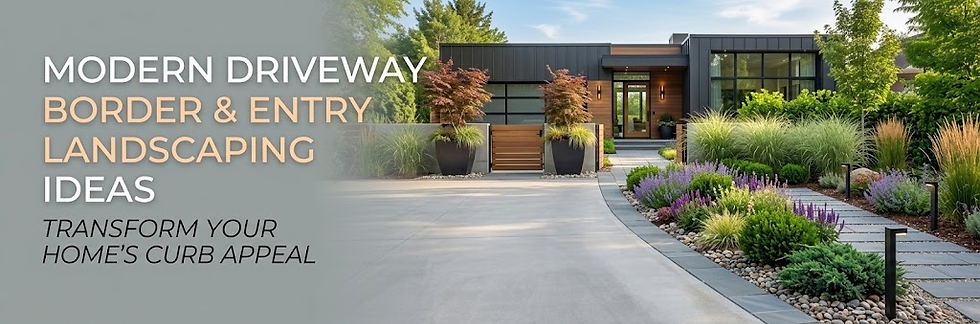
Front-of-house trends for 2026 include replacing cracked concrete driveways with patterned pavers, adding entry courts with low walls and integrated planters, and designing wide, inviting front walkways. Modern concrete pads with gravel joints, banding accents, and integrated lighting along steps enhance the entire property’s curb appeal.
These improvements work well for HOA-friendly upgrades in townhomes and gated communities across Ventura and LA counties—helping maximize space while creating lasting visual interest.
Landscape Lighting & Smart Technology in 2026 Yards
LED and solar lighting have become standard in high-quality California landscapes for safety, security, and ambiance. Landart Builders commonly installs:
Path lights along walkways (6-12 inches tall, spaced 8-10 feet)
Uplights on specimen trees and columns
Step lights on masonry stairs (3W per tread)
Wall wash lights on facades
Smart control via Wi-Fi hubs offers zoning, dimming to 1%, and sunrise/sunset programming tailored for long summer evenings. Solar fixtures work for secondary paths and remote corners, while hardwired low-voltage is preferred for primary entries, safety stairs, and commercial sites. Integration with security cameras and motion sensors adds value for higher-end residential and commercial clients.
Smart Irrigation & Maintenance Tech
Precision irrigation systems use AI weather data and soil moisture sensors to minimize water waste. Landart Builders programs systems using Rachio or Hunter controllers tied to local weather data, achieving 30-50% water savings while complying with Ventura’s odd/even watering schedules and heat-wave overrides.
Remote monitoring and seasonal tune-ups are part of ongoing maintenance packages for busy homeowners and HOA boards. Properties maintaining some turf benefit from robotic mowers covering 0.1-1 acre autonomously—reducing labor while keeping low maintenance standards.
Sustainable Construction & Long-Term Landscape Maintenance
California’s broader push toward 2045 carbon neutrality drives 2026 landscape architecture practices. Landscape design in California is moving toward regenerative, climate-resilient environments that prioritize wellness and seamless technology integration.
Key Sustainable Practices
Landart Builders incorporates:
Mulch layers (3 inches organic) retaining soil moisture 2x longer
On-site composting boosting native soil carbon by 20%
Bioswales capturing 80% of runoff
Careful grading protecting structures and foundations
Native and pollinator gardens increase self-sustaining ecosystems using regionally native plants. Implementing a rain garden can allow 30% more rainwater to infiltrate the ground, helping manage stormwater runoff and enhance soil moisture.
Material choices supporting sustainability include locally sourced stone reducing transport emissions 50%, durable pavers lasting decades, and long-life LED fixtures minimizing replacements. Designers are increasingly prioritizing sensory-rich environments that enhance lifestyle and create spaces where families thrive.
Professional maintenance—pruning, irrigation checks, seasonal clean-ups, and tree services—keeps drought tolerant and native landscapes healthy rather than overgrown. Tree services include proper pruning for safety and health, removal of hazardous trees in wildfire areas, and planting climate resilience species like toyon that handle predictions of 20% drier conditions by 2030.
Well-maintained sustainable landscapes protect property value (up 10-15% per market analyses) and lower operating costs 25-40% for commercial clients—adding beauty while reducing long-term expenses.
How Landart Builders Helps You Implement 2026 Landscape Trends
Landart Builders serves as a full-service landscape contractor in Ventura and Los Angeles counties, handling everything from design consultation to long-term maintenance and tree services. Our team works with residential backyards, estate properties, HOAs, and commercial sites seeking custom features that meet 2026 standards.
Our typical process:
On-site consultation to assess your space and priorities
Concept design addressing water conservation, fire safety, or outdoor living needs
Budgeting and permitting where needed
Construction—masonry, planting, irrigation, lighting
Ongoing care to maintain your investment
Before meeting with our team, gather inspiration photos and note your priorities—whether that’s reducing water bills, achieving fire safety compliance, creating an outdoor kitchen, or designing the perfect spot for relaxation.
Ready to transform your outdoor spaces? Contact Landart Builders for a free design consultation and start planning your 2026 landscape transformation. We serve homeowners, property managers, and HOAs throughout Ventura and Los Angeles counties—bringing projects to life with the craftsmanship and attention to detail that creates landscapes built to last.


Comments